We ran out of time, this often happens (we both love to talk!). Between the data, the discussion, and the very lively Zoom chat, there were a stack of questions we never got to. So here they are: the ones we skimmed past, saw in the chat and couldn't address, and a few that deserve more than the 90-second answer they'd have gotten live.
What happens to talent acquisition roles as AI adoption increases?
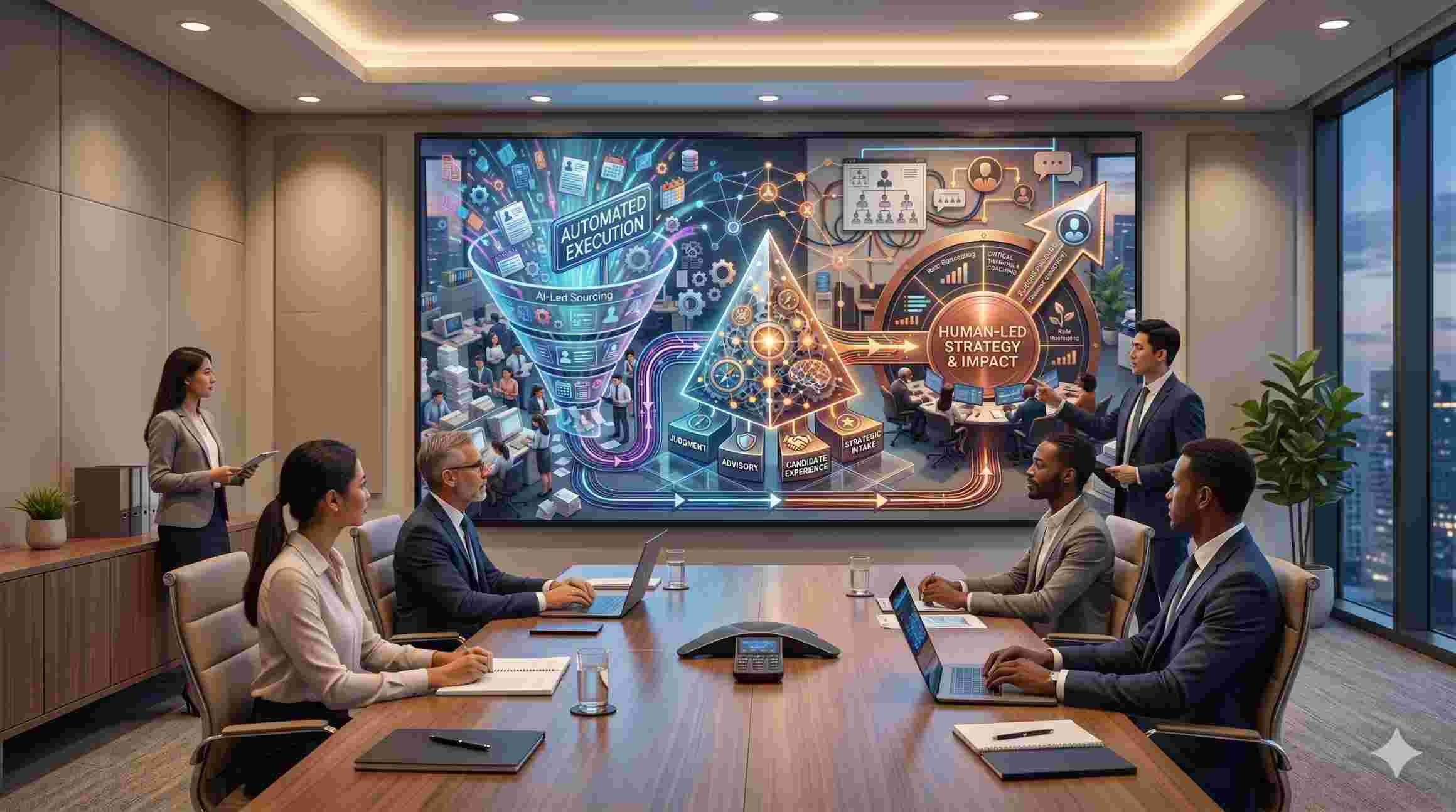
AI will automate the top of the TA funnel (sourcing, screening, scheduling, reference checks) but the judgment work at the end of the process stays human. The ratio of execution to judgment shifts dramatically; the function doesn't disappear, but who you want on your TA team looks very different.
TA is one of the functions where AI adoption is moving fastest, and also where the vibes-based decision-making Helena talked about in the session is causing the most chaos. Executives look at a recruitment process and see the admin. Sourcing, screening, scheduling: it reads like a list of things AI can do. And technically, it can do most of them.
But TA isn't just a process of finding people who can do the job. It's also about making judgments about potential, fit, and future contribution, using incomplete information, under time pressure, with real consequences if you get it wrong. AI can help you move faster through the top of the funnel. It can't replace the judgment at the bottom of it.
What we're seeing with our data, across the roles we've assessed: sourcing, job posting, initial screening, scheduling, and reference checks are all moving toward AI-led or automated. What stays stubbornly human is the intake and advisory work at the start, and the final assessment, offer negotiation, candidate experience conversations, and hiring manager coaching at the end. The relationship between the recruiter and the hiring manager, the bit where someone says "I know you want someone who looks like the last person in this role, but that's not what you actually need," that's not automatable.
The function isn't disappearing, but the ratio of execution work to judgment work is going to shift. If you're building a TA team or developing TA capability right now, you want people who can do the judgment work, not people who are fast at the execution work.
How do you use AI impact data to actually change workforce planning?
The organisations doing this well start with whole teams, not individual roles, and ask what this team needs to be able to do in 12 months that it can't do today. Then they work backwards to the task and skill gap.
The scenario modelling matters, not because it predicts the future with accuracy, but because it forces conversations that are otherwise very easy to avoid. If we were in Scenario 2 (experimental), what would our L&D function look like? If we moved to Scenario 3 (AI-first), what would we stop hiring for entirely? The scenarios give you a framework for decisions you'd otherwise make by gut feel.
On the full-process automation question: most organisations aren't there yet, and the ones who tried to get there too fast have had to backtrack. Klarna is the example Kim used in the session, fired the whole customer service team, rehired them six months later. The lesson isn't that AI can't automate processes. It can. The lesson is that you need to understand the whole system. Automate one task and you've saved 20 minutes. Automate the whole process and you've restructured how the work flows. Those are very different interventions with very different risk profiles.
How do you manage employee fear about AI replacing their jobs?
Get people into the data on their own specific role, not a generic presentation about AI changing work. The fear lives in the gap between "I know AI is coming" and "I don't know what that means for me." Close that gap and the conversation shifts from existential to practical.
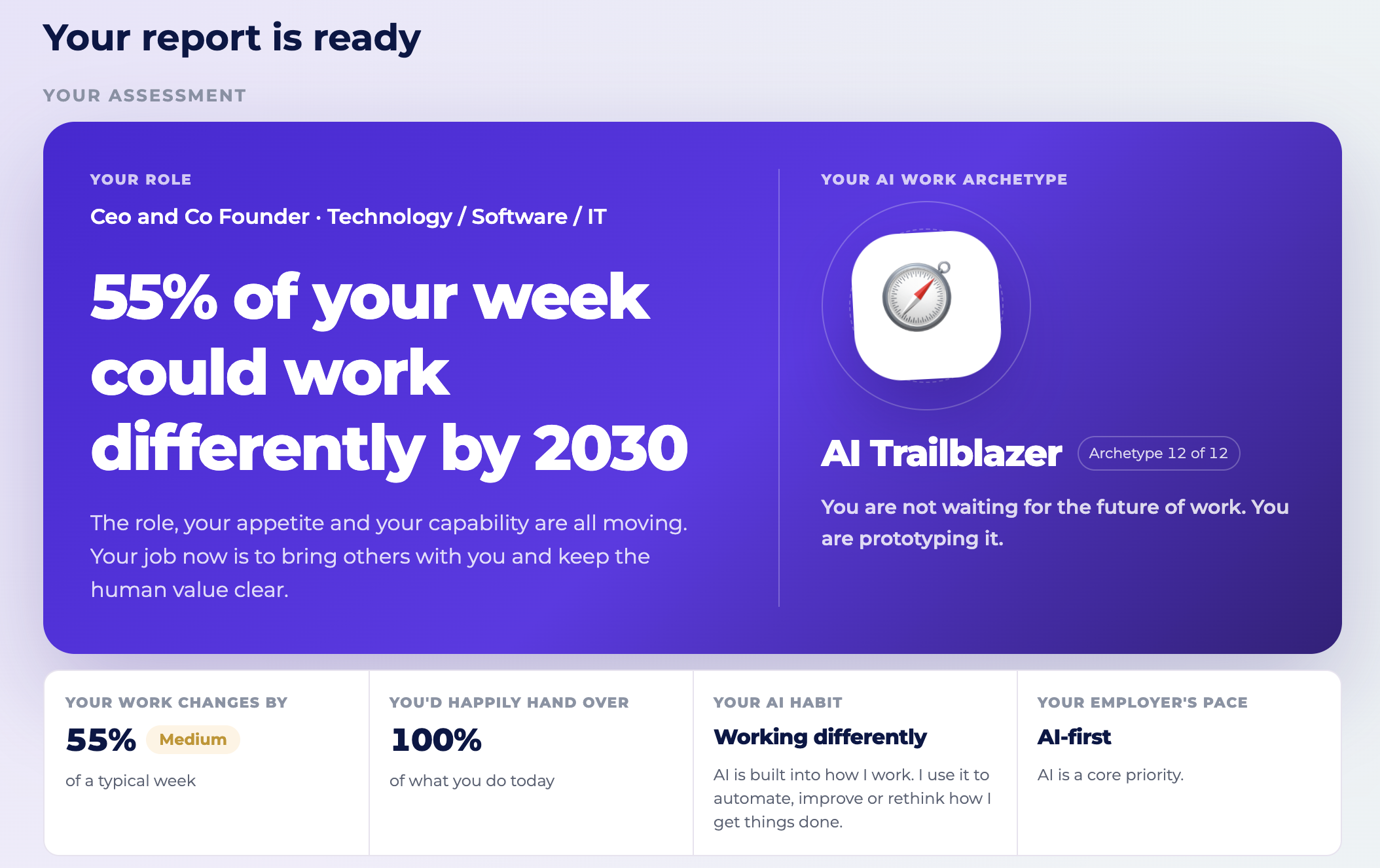
That's actually why we built the free assessment at GoFIGR. The most effective thing we've seen is taking that specific HR Manager at that specific company through their own day-to-day tasks across three scenarios. It's harder to catastrophise when you're looking at specifics. And it's also harder to dismiss.
On the parental leave question specifically: the skills that are increasing in value (influence, judgment, relationship, coaching) are not skills that atrophy on parental leave. The tools will change while you're away, yes. But the core human capabilities this moment rewards are not going anywhere. If anyone is supporting returning parents, reach out and we'll share more.
Is HR getting a seat at the table for AI governance, or managing the fallout after decisions are made?
In some organisations, HR has moved early and owns the AI governance agenda. In most, AI decisions are being made by IT, Finance, or the CEO, and HR finds out when it's time to manage the redundancies.
The seat isn't given, it's earned, and the case has to be made in the language the business hears: risk, cost, and competitive advantage. Not "people matter." The organisations where HR is leading this conversation are the ones where HR came in with data, a framework, and a point of view, not a request to be included.
How do you build AI skills when there are no courses for what you actually need?
Most of the high-value skills our data surfaces (AI output evaluation, workflow orchestration, human-agent collaboration) don't have an off-the-shelf course. The most effective approach is learning by doing, with a proper retrospective built in.
Pick one real problem in your team. Apply AI to it. Then debrief: what did it get right, where did it hallucinate or miss nuance, what judgment calls did you make that it couldn't? That's the curriculum.
On the critical thinking question: this is real. The model's job is to keep you engaged and tell you one more iteration will make it perfect. If you listen to it uncritically, your own thinking atrophies. To register for the waitlist of the upcoming Humaneer AI skills session, click here.
How do HR leaders future-proof their careers against AI disruption?
The most valuable HR leaders right now aren't trying to make themselves hard to replace. They have a point of view on what their organisation should do about AI, not just knowledge of the tools, but a perspective on how this company should make decisions, what risks it should take, and what it owes its people through this transition.
The Double Disruption, the idea that AI is simultaneously disrupting the work HR does and the remit HR operates within, doesn't go away by learning new tools. It's navigated by HR leaders who understand both disruptions and can hold both at once.
Nobody has this fully figured out, including us. But the best thing this data does isn't predict the future. It gets the conversation out of the panic and into the practical. Start there.
Want to see how AI will impact your specific role? The free assessment takes 2 minutes: https://www.gofigr.ai/free-ai-impact
Join the Humaneer community for ongoing conversations, workshops, and the roadshow coming to a city near you: humaneer.app/community
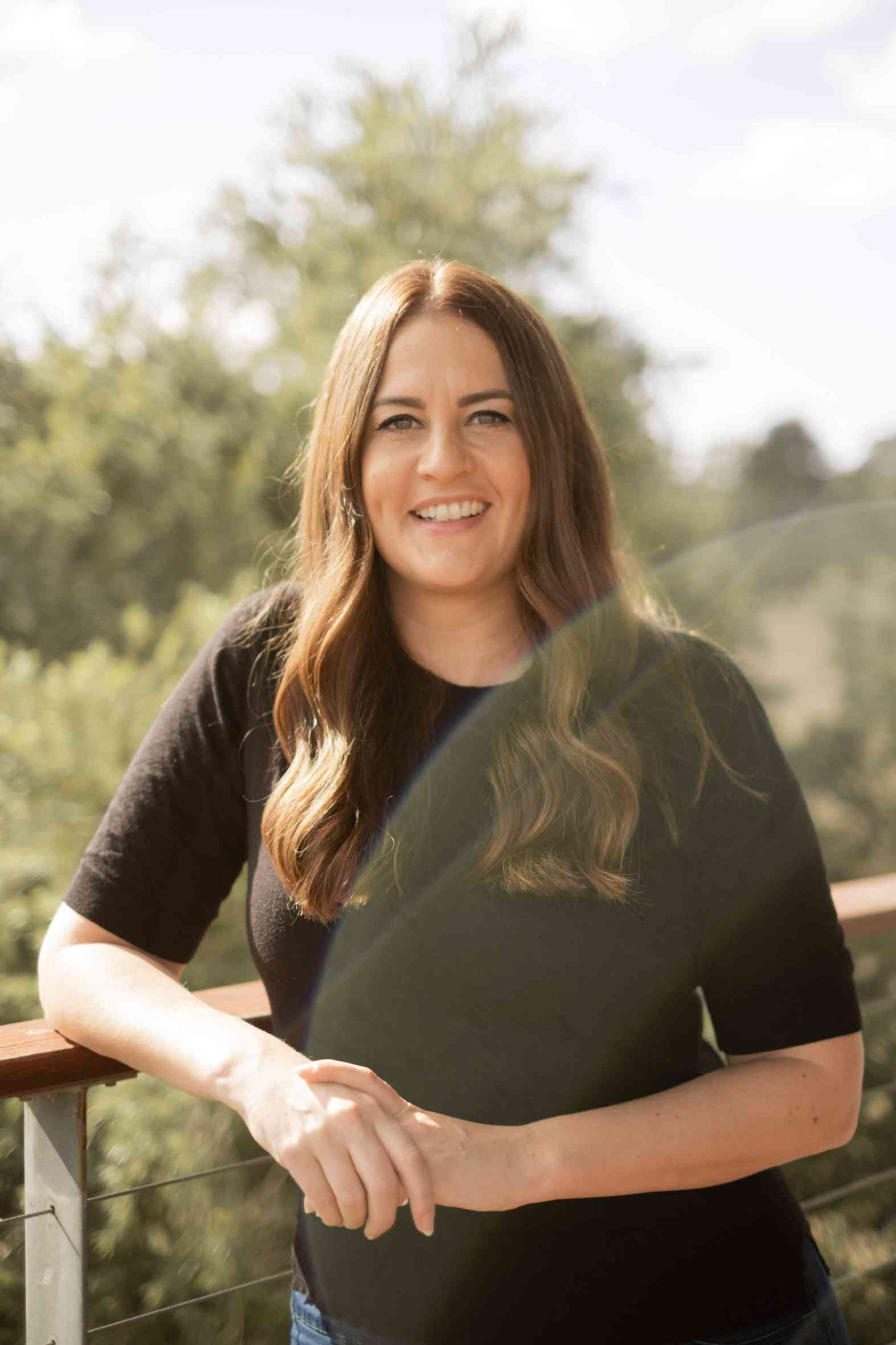
Helena Turpin spent 20 years in talent and HR innovation where she solved people-related problems using data and technology. She left corporate life to create GoFIGR where she helps mid-sized organizations to develop and retain their people by connecting employee skills and aspirations to internal opportunities like projects, mentorship and learning.
.jpg)