I hear it all the time: "We're not doing AI yet."
My response? You probably already are.
Not because someone in IT has rolled out a shiny new platform. But because AI has "quietly" crept into the tools your teams already use – without a meeting, without a strategy and without HR ever signing off.
This is the nature of AI today in business.
- Microsoft 365 Copilot switched on in the background
- Recruitment software screening candidates before a human sees their CV
- CRMs serving "smart" recommendations that shape your sales pipeline
It's happening now, in plain sight – and here's the real risk:
By the time you notice, the impact on your workforce could already be in motion: roles shifting, skills becoming redundant, people feeling blindsided.
If you're a business manager or HR leader, you can't afford to be the last to know.
In this article, I'll show you why hidden AI adoption is one of the biggest blind spots in workforce planning – and how to spot it before it hits the headlines for all the wrong reasons.
How AI Slips Into Your Business Without You Noticing
Here's the thing about AI adoption – it rarely arrives with a big fanfare (anymore).
It used to be a big thing. Now, AI is integrated into everything.
And you need to spot it so you can adapt to it.
There's no "AI launch day" in the boardroom. More often, it slips in through the back door via the tools you already pay for.
Here Are Some Examples of Where It Shows Up:
- SaaS vendors are quietly baking AI into their products as part of regular updates
- Microsoft adds Copilot to your 365 subscription
- ServiceNow improves workflow automation with machine learning
Your recruitment platform upgrades its resume screening with AI – and suddenly shortlists are being shaped before a human even looks at them.
It's not just vendors, either. I've seen business departments take matters into their own hands too:
- Ops mapping processes with AI tools
- Marketing testing AI copy generators
- Finance trialling AI forecasting models
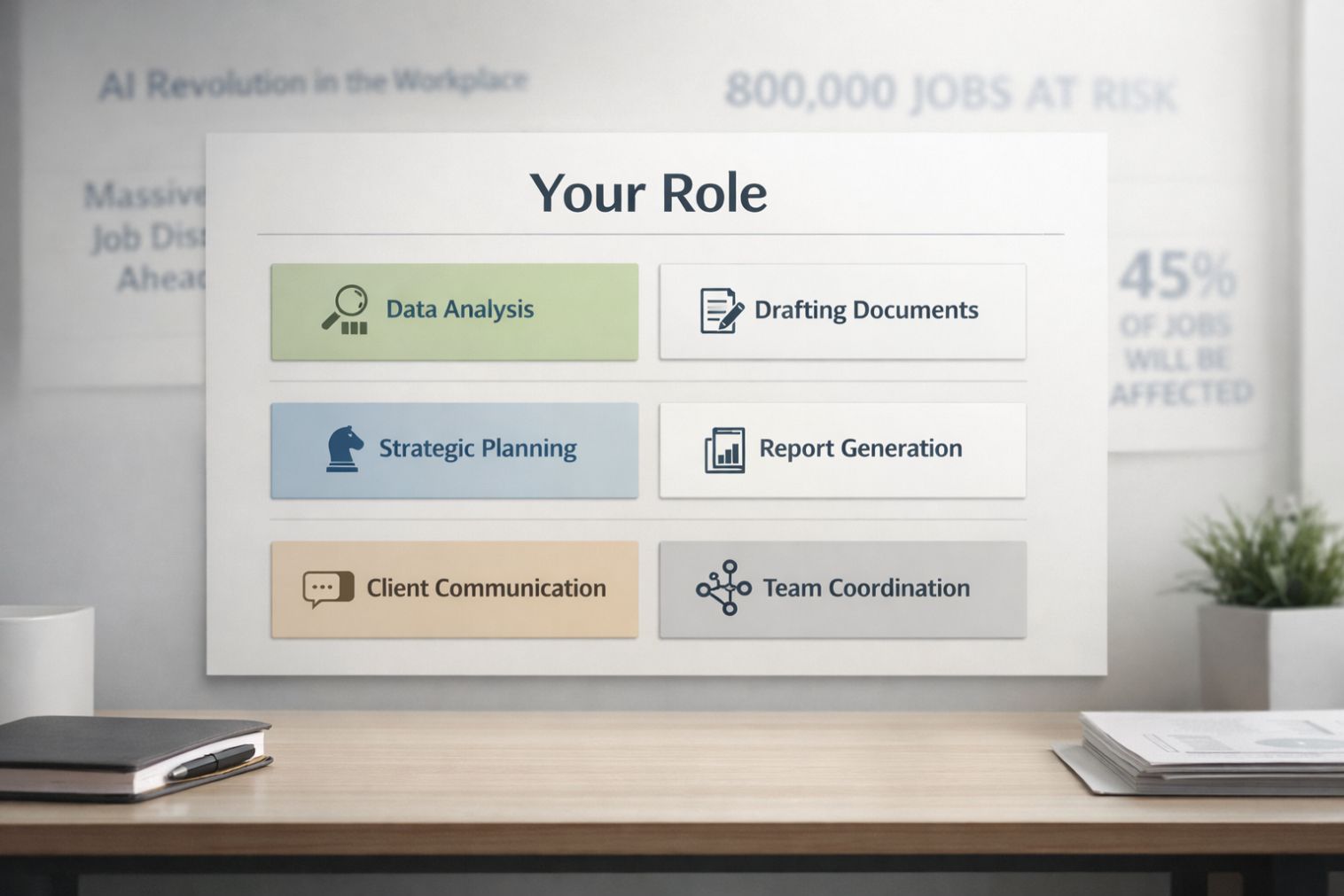
On the surface, these AI adoptions are "operational efficiencies." But under the hood, they can shift how roles are structured, which tasks are still human-led and which skills your people need to stay relevant.
These aren't futuristic hypotheticals. This is happening in real time – and if you're not across it, you're making workforce decisions with an incomplete or outdated picture.
Why Business Leaders Often Miss the AI Shift
One of the biggest challenges with AI in business is that there's often no central reporting on where and how it's being used.
Without visibility, HR and leadership teams can't see the full impact until it's too late.
- IT may enable new AI features for efficiency
- Marketing might sign up for faster content tools
- Operations could explore AI-driven process mapping
- Even HR tech platforms can change screening algorithms without the talent teamrealising
What starts as a quick productivity win in one team can set off ripple effects across the organisation – changing…
- Workflows
- Reducing the need for certain roles
- Creating demand for skills you may not have in-house
The Real Problem?
AI adoption often becomes visible only after people feel the impact.
By then, job scopes may have changed, certain skills may be obsolete or employees may already be questioning their future.
At that point, you're dealing with change reactively, instead of shaping it from the start.
In my experience, the organisations that handle this best are the ones actively tracking where AI enters their systems – and using that insight to update workforce plans before the disruption hits.
The People Impact of AI (And Why It Matters Now)
The conversation can't just be about systems and software – it has to be about people.
AI isn't just a productivity tool. It changes the shape of tasks, workflows and even job design. When those changes happen quietly without leaders spotting them early – you can miss the critical window to reskill, redeploy or reassure staff before uncertainty sets in.
This is why HR needs to be in the driver's seat for AI-related workforce planning, not watching from the back seat.
When You Know Where AI Is Landing First, You Can:
- Identify roles at risk before they disappear
- Redeploy talent into areas of higher value
- Build future-critical skills like data literacy and problem-solving
- Maintain trust by showing employees there's a plan for them in the future of work
Because at the end of the day, the real measure of successful AI adoption isn't just efficiency – it's whether your people can adapt, grow and thrive alongside it.
Spot AI Before It Reshapes Your Workforce
Catching hidden AI adoption early isn't just about avoiding disruption, it's your chance to lead workforce transformation on your own terms.
When you know where AI is landing, you can shape the change instead of scrambling to react.
With Early Insight, You Can:
Proactively Redesign Roles
Adjust responsibilities and workflows before automation makes parts of a job redundant.
Align Learning and Development
Focus training on future-critical skills like data literacy, AI literacy and problem solvingso your people stay valuable as work evolves.
Avoid Reputational Damage
Prevent the kind of reactive layoffs that create headlines and erode employee trust.
Control the Narrative
Communicate openly with staff and stakeholders, showing there's a clear plan for how AI fits into the organisation's future.
This is the essence of smart AI workforce planning, using foresight to protect your people, reduce risk and position your business for long-term success.
From AI Unknowns to Workforce Confidence
Ignoring AI or assuming it's "not here yet" isn't a strategy – it's a risk.
The answer is to be well-informed, assess your current setup and understand how your people and roles might be affected.
If this feels overwhelming to track alone, you're not the only one. It's why we built tools that help leaders decode the chaos and take action.
That's where having the right partner matters.
At GoFIGR, We Give Leaders Clear Visibility Into AI Impact
At GoFIGR, we give leaders a clear line of sight into how AI is changing their workplace – from the first signs of automation to the shifts in skills and roles it creates.
Our work gives you the clarity to:
- Spot automation risks early
- Redesign roles before disruption hits
- Align training with the skills your business will actually need
- Maintain trust by showing there's a plan for your people
One way we do this is through our Impact of AI Diagnostic – a practical, role-by-role, task-by-task assessment that highlights automation risks and future skill needs.
The Diagnostic arms you with the information you need to make confident, proactive decisions from both a business and HR perspective.
It's not about guessing where AI might land; it's about knowing, so you can act.
For more information, read The AI Roadmap Had 32 Slides. The People Strategy Had Four Lines – where I share why having visibility into AI's impact is essential when it's already in your business.
The Bottom Line: Don't Wait to "Officially" Start AI
If you're waiting for a formal AI project to kick off before you take action, you're already behind. AI adoption is happening in real time – often without a headline announcement or a strategic discussion.
By the time it's obvious, your workforce may already be shifting in ways you didn't plan for.
The leaders who get this right aren't just watching AI happen, they're steering it. They know where it's landing, they're reshaping roles before disruption hits, and they're making sure their people have the skills to thrive.
That's the real advantage: turning AI from a hidden risk into a planned transformation–
and you don't have to figure it out alone.
With GoFIGR by your side, you can see what's really changing, decide what happens next and make sure your people are ready for it.
Ready to Turn Hidden AI Into a People-First Strategy?
AI is already reshaping work, the difference is whether it happens to you or with you.
GoFIGR helps you see where:
- AI is entering your business
- What that means for your people
- How to respond with confidence
By combining clear data with practical workforce planning, we help you stay ahead of disruption, protect your culture and make change a strategic advantage.
Don't wait until AI forces your hand. Get ahead of the change and turn it into an advantage for your business and your people.
Contact GoFIGR today and see how we can help you lead workforce transformation with confidence.