I spend a lot of time at HR conferences and webinars. Globally. And I can tell you that the conversation about AI in HR has shifted dramatically in the last twelve months.
A year ago, the questions were practical and tool-focused. How do I use ChatGPT for job ads? Can AI write my engagement surveys? What’s a good tool for meeting notes?
Those were useful questions at the time. I wrote about them, answered them on panels, helped teams get started with simple wins.
But that’s not what people are asking anymore. Now the questions sound more like this:
How do I know which roles in my organisation are actually being affected by AI?
We’ve got pilots running but no one’s looked at what this means for our people - where do I even start?
My CEO wants an AI strategy but I don’t have visibility of the skills we have today, let alone what we’ll need tomorrow.
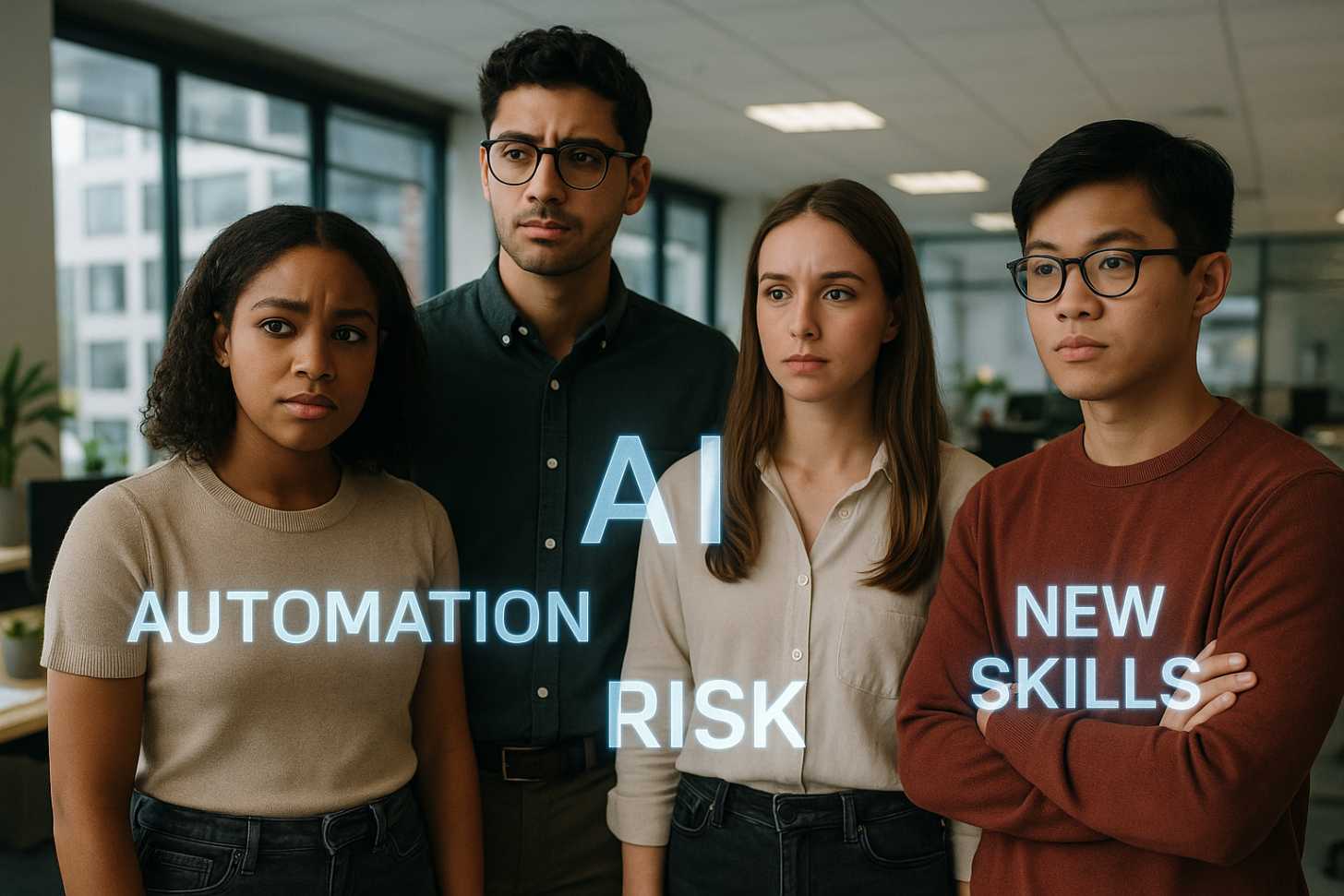
The shift isn’t from “should we use AI?” to “how do we use AI?” - most organisations have moved past both. The real shift is from tools to implications. From experimenting to reckoning with what it all means for the workforce.
And honestly? That’s where it gets interesting. And harder.
The Three Phases I’ve Seen
Talking to hundreds of HR leaders, CHROs, and business leaders over the past couple of years, I’ve noticed most organisations move through three rough phases with AI in HR.
Phase 1: Tool discovery. This is the “let’s try things” stage. Someone on the team starts using ChatGPT to draft comms. Another person discovers an AI notetaker for meetings. Maybe you trial Copilot or experiment with AI-assisted recruitment outreach. It’s useful, low-risk, and gets people comfortable.
Phase 2: Process improvement. This is where AI starts being embedded into actual workflows - automating parts of onboarding, using AI for skills matching, speeding up survey analysis. It saves time and people start to see real efficiency gains.This is usually where most HR teams are right now.
Phase 3: Workforce impact. This is the phase most organisations haven’t entered yet - but it’s the one that matters most. This is where you stop asking “how can AI help HR?” and startasking “how is AI changing the work our people do?” Not just in HR, but across the entire organisation.
The jump from Phase 2 to Phase3 is significant. Because Phase 3 isn’t about HR tools. It’s about workforce strategy. It’s about understanding which tasks across your business are being automated, augmented, or eliminated - and what that means for roles, skills, and career paths.
Why the Task Level Matters
Here’s something I’ve learned the hard way: you can’t answer workforce questions at the job title level.
“Will AI replace MarketingManagers?” is the wrong question. The right question is: “Which specific tasks that Marketing Managers perform are being affected by AI, and what does that mean for the skills they need?”
A Marketing Manager who spends 60% of their time on campaign analytics is in a very different position to one who spends 60% of their time on brand strategy. Same title. Completely different AI exposure.
This is why we built our AI Impact Assessment as a free tool - because we kept hearing the same thing from leaders: “I know AI is changing things, but I can’t see where.” The assessment breaks it down at the task level, not the role level, so you can actually see what’s shifting and where your people can grow.
Over 1,600 people across 31countries have used it in just a few weeks, which tells me the appetite for this kind of clarity is massive.
What Actually Separates the Companies Getting This Right
Having worked with organisations ranging from mid-sized businesses to global insurers with 20,000+employees, I’ve noticed a few patterns that distinguish the ones navigating this well.
They start with visibility, not assumptions. They don’t guess which roles are “at risk” - they map the actual tasks, skills, and capabilities across their workforce and let the data tell them where AI has the biggest impact.
They connect AI strategy to people strategy. The AI roadmap and the workforce plan aren’t separate documents. They’re the same conversation, happening in the same room, with HR at the table from day one.
They think in tasks, not titles. Instead of asking “do we need this role?”, they ask “which tasks in this role are growing, shrinking, or changing?” That’s a much more useful - and much less threatening - question.
They give people a path forward. The biggest risk isn’t automation - it’s people feeling stuck with no visibility of where they can go next. The organisations doing this well are showing employees exactly which skills they need to develop and what opportunities exist internally.
What I’d Actually Recommend Today
If I were writing a “practical ways to use AI in HR” list today, it would look very different from the one I’d have written a year ago. Less about individual tools, more about strategic capabilities.
Get task-level visibility of your workforce. You can’t plan for what you can’t see. Whether you use our AI Impact Assessment or another method, you need to understand what work is actually being done not just what’s in job descriptions.
Equip your managers for different conversations. The 1:1 meeting is where AI anxiety either gets addressed or festers. Your managers need to be able to talk about how work is changing, what skills matter, and where someone can grow - not just review last week’s deliverables.
Map skills to opportunities, not just gaps. Most skills audits focus on what’s missing. That’s useful but incomplete. The bigger opportunity is connecting the skills people already have to internal projects, roles, and development paths they might not know exist.
Stop separating “AI strategy” from “people strategy.” They’re the same thing. If your AI roadmap doesn’t have a workforce section, it’s incomplete. If your people strategy doesn’t account for AI, it’s already outdated.
Make the first step easy. Don’t wait for a perfect strategy. Give your people - and yourself - a starting point. Even something as simple as running our free assessment across your leadership team can surface insights that change the conversation entirely.
The Conversation Has Moved On
AI in HR isn’t about discovering tools anymore. The tools are everywhere and they’re genuinely useful. But the harder, more important question is: what does AI mean for your people?
Not theoretically. Not in a future-of-work keynote. Right now, in the roles and tasks that make up your organisation today.
That’s the question worth sitting with. And in my experience, the leaders who are willing to look at the data - even when it’s uncomfortable - are the ones whose people will thank them for it later.
If you want to start with the data, try the AI Impact Assessment. It’s free, it takes minutes, and it’ll give you a clearer picture of where AI is reshaping work in your organisation than any slide deck or conference keynote.
And if you want to go deeper - mapping your entire workforce, building career pathways, equipping your managers - that’s what GoFIGR does. Let’s chat.

Helena Turpin spent 20 years in talent and HR innovation where she solved people-related problems using data and technology. She left corporate life to create GoFIGR where she helps mid-sized organizations to develop and retain their people by connecting employee skills and aspirations to internal opportunities like projects, mentorship and learning.