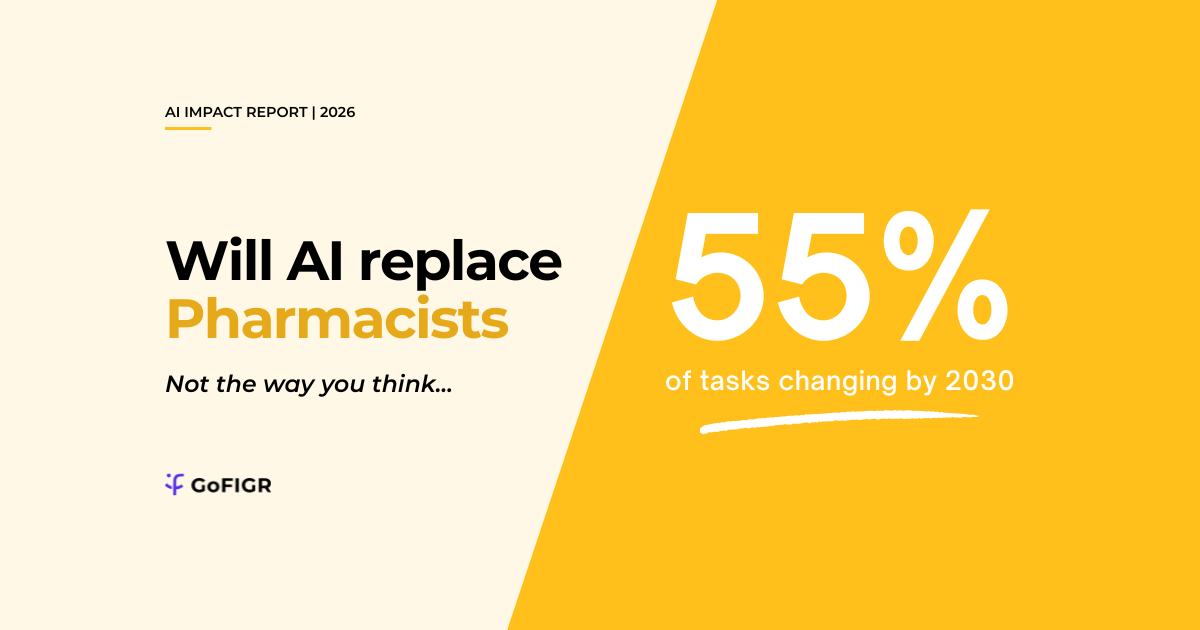
The prescription has already been checked, verified, and packaged by the time the pharmacist sees it in many modern pharmacy environments. Robotic dispensing systems are handling the physical work at scale, and AI is now flagging drug interactions faster than manual review. That's not a future scenario. It's the current operating model at major chains. It's not whether this is happening, it's which half of the job you're in.
What's already being automated
Omnicell provides automated dispensing systems and analytics platforms used across hospital and retail pharmacy environments, handling medication storage, dispensing, and tracking with near-zero error rates in central fill settings.
ScriptPro offers robotic dispensing machines integrated with pharmacy management software, automating prescription volume without adding to labor costs while embedding AI-assisted dose-range checking directly into the workflow.
BD (Becton Dickinson) runs comprehensive pharmacy automation through its Pyxis and Parata systems, including a 24-hour robotic prescription pickup solution being piloted with Henry Ford Health.
What the research actually says
Pharmacists currently spend up to 90% of their time on administrative and dispensing tasks rather than patient care, according to Sully.ai research. Automation is directly addressing that gap: pharmacist productivity increases by up to 33% with AI and robotics in place, and central fill models reduce dispensing error rates to nearly 0% (Pharmacy Times). That's a significant shift in what the role looks like day to day.
The pharmacy profession isn't shrinking. It's relocating. The work is moving away from the dispensing counter and toward the consultation room, and the pharmacists who make that move intentionally will have more impact, not less.
Two people. Same title. Completely different week.
Pharmacist A spends most of their shift processing prescriptions, verifying labels, managing inventory counts, and answering routine refill questions by phone. These tasks keep the pharmacy running but increasingly overlap with what automated systems do faster and with fewer errors. The value they're adding is operational, and operational pharmacy work is exactly what's being targeted first.
Pharmacist B is running comprehensive medication reviews for patients on complex drug regimens, counseling patients on newly prescribed medications, flagging clinical risks that the system surfaces but can't interpret in context, and working with physicians on appropriate therapy choices. They use the dispensing automation as infrastructure and spend their time on the part robots genuinely can't do.
Move deliberately toward clinical involvement in your current role. Every interaction that requires patient context, judgment about adherence, or a conversation about side effects is a place where your value is clear. That's where the profession is heading, and getting there ahead of the curve is worth the effort.